“… for I was further afflicted by that wretched and dangerous malady—known as lovende —which the Portuguese call berber and the Dutch scurvy. It caused almost all my gums to rot, discharging thick, black, and putrid blood; my knees became so contracted that I could not straighten my joints, while my thighs and legs turned as black as limbs consumed by esthiomenos or gangrene, compelling me to make daily incisions and cuts to drain away that foul, black, and putrid blood.
I also cut away my gums—which had turned livid and swollen over my teeth—going out each day onto the ship’s outer rail, where I clung to the rigging with a small mirror in hand to see exactly where the dead flesh needed to be trimmed away. Then, once I had removed this dead tissue and drained away a copious amount of black blood, I would wash my mouth and teeth with my own urine, scrubbing them vigorously; yet, no sooner was this done than, by the very next day, the affliction would have returned in full force—and sometimes even worse than before.
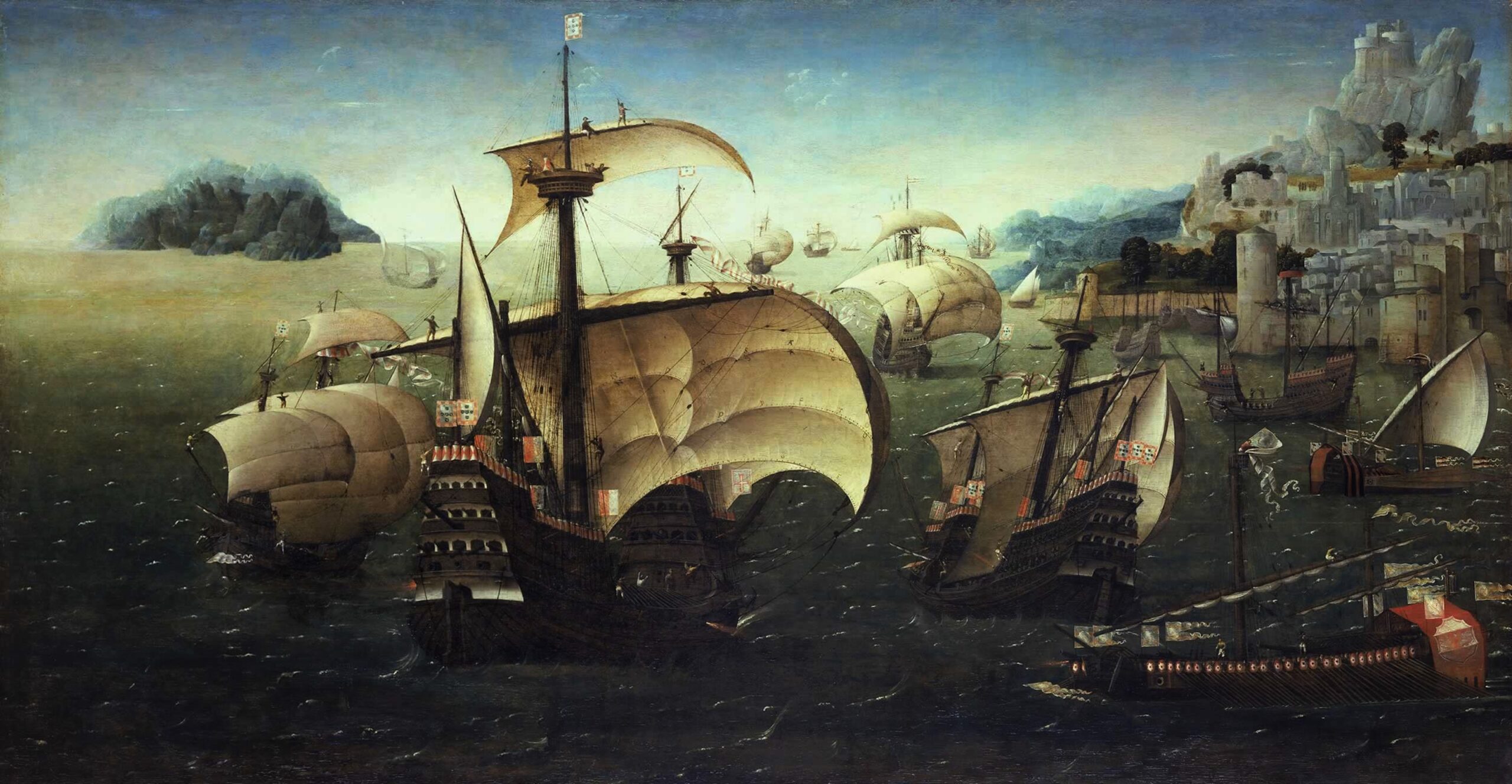
The cruelest part of this misfortune was that I could not eat; I found myself wishing to swallow rather than chew, due to the excruciating pain inflicted by this wretched ailment. I discovered no better remedy than the liberal use of violet syrup and astringent gargles made with good red wine. Many of our men were dying of it every day; we witnessed nothing but bodies being cast into the sea—three or four at a time—while others were found dead, utterly abandoned, behind some sea-chest, their eyes and the soles of their feet having been gnawed away by rats.
Still others were found dead in their bunks; having recently been bled, they would inadvertently move an arm, causing the vein to reopen; as their blood began to flow unchecked, they would fall into a delirious fever, thus perishing without any aid whatsoever. The air was filled with nothing but cries of intense thirst and parching dehydration.
For quite often, after receiving their allotted ration—which might amount to a pint or thereabouts—and placing it beside them to drink should thirst strike, their companions nearby—and others from even further afield—would come to pilfer this meager supply of water from the poor, ailing wretches while they slept or lay turned away.
And even while beneath the deck, in the gloom, they would strike and beat one another without even being able to see; whenever they caught someone in the act of theft, they were—most often—left deprived of water; and for want of a single drop, they would perish miserably, with no one willing to offer them any aid.
I hope you found this excerpt just as interesting as I did! Thank you for reading and if you enjoyed please feel free to check out my other articles on my blog or my accounts on other platforms!




How horrible! Just like you said, a very graphic description!